El Paso Puzzler Tire Picks — Traction in the Franklin Mountains
Published: 1/7/2026
Tags: tire, elpasopuzzler, franklinmountains, mtb, xc, desert, tire-picks, westtexas, mountainbike
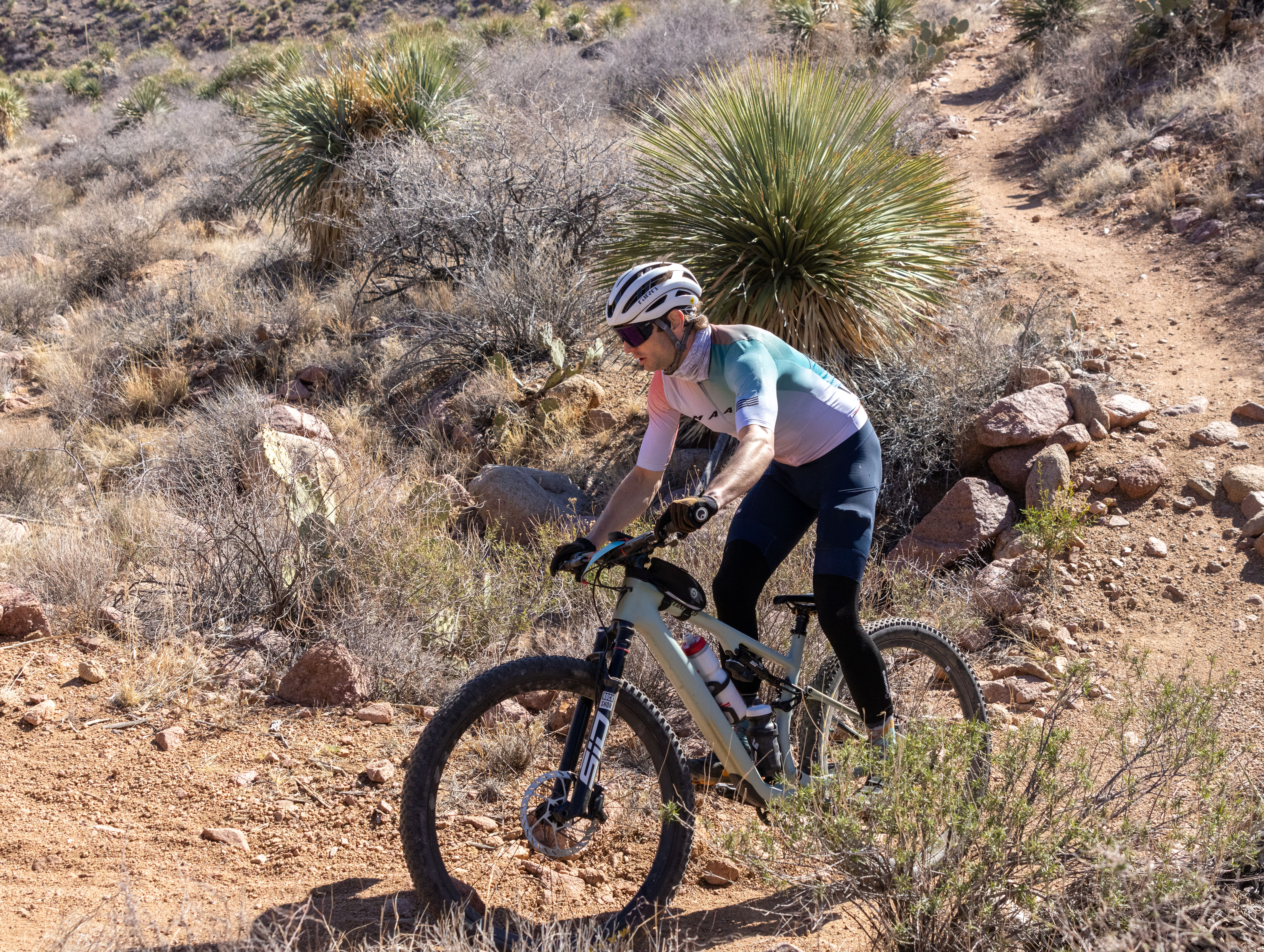
📸 Cesar Cervantes Media – Riding desert singletrack in the Franklin Mountains at the El Paso Puzzler.
If you’re racing the El Paso Puzzler in the Franklin Mountains, you’re signing up for a true desert mountain bike race:
loose rock, sharp edges, relentless wind (fingers crossed this year), and long technical climbs that demand traction and composure more than outright rolling speed.
This guide breaks down tire recommendations, pressure strategy, and what works for riding technical singletrack in the Franklin Mountains — including the Mundy’s gap climb/descent and the notorious switchbacks of Northern Pass.
🏁 Race Summary
| Category | Notes |
|---|---|
| Surface | ~99% trail — rocky desert singletrack, jeep road connectors, almost no pavement |
| Terrain | Loose-over-hard, sharp rock, punchy climbs, technical switchbacks |
| Signature Features | Mundy’s gap - big climb…big descent / Northern Pass — steep, tight switchbacks that, this year, are now climbed instead of descended |
| Weather | Often dry, windy, cold start → warmer finish |
| Flat Risk | Moderate–High — sharp rock, sharp plants, pinch-flat risk |
| Distances | 50 mi main distance; 35 mi shares first 35 miles |
This is a properly technical mountain bike race and the Franklin Mountains demand tire choice discipline. Traction on loose rock and protection from rim strikes matter more than shaving a few watts of rolling resistance.
🗺️ Course Overview — Franklin Mountains Edition
The El Paso Puzzler winds deep into the Franklin Mountains, linking rugged desert singletrack with steep, sustained climbing and technical descending. The main 35-mile loop runs clockwise this year, changing the character of several key segments.
The day’s biggest effort is the long climb up Mundy’s Gap — roughly 1,300 feet of climbing that rewards steady pacing and a tire that doesn’t feel like dragging an anchor. The climb is steep and loose, making traction critical — and the descent down the backside (if I remember correctly) is even looser and chunkier. Your tires and wheels will thank you if you save some legs (your primary suspension) for this section.
The technical crux of the course comes later at Northern Pass. While much shorter (≈570 feet of gain), roughly 318 feet of that climb is very technical, packed with tight switchbacks, loose rock, and awkward low-speed traction demands. These switchbacks were a technical descent last year — now they’re a slow, high-torque climb that will expose weak traction and pressures that are too high — and will likely be hike-a-bike for most of us.
Expect:
- Loose rock that constantly breaks traction.
- Frequent square-edge hits that can cause pinch flats.
- Wind exposure that can amplify fatigue.
- A course that demands: aerobic efficiency on Mundy’s Gap, technical control through Northern Pass, and composure through relentlessly punchy terrain.
The backside descent after Northern Pass should be fast and punchy, but overall this year skews ever so slightly more toward technical climbing and controlled descending — classic Franklin Mountains riding.
Check out Syd and Macky’s video from last year (keep in mind - opposite direction on the first 35 miles this year):
What I Ran Last Year — and What I’m Debating This Year
Last year I raced the Puzzler on 
I had a couple of hard rim strikes and sharp rock had my tires spraying sealant all over the front and rear of the bike — but never lost enough air to stop or plug and didn’t pinch flat.
That experience is pushing me toward:
- Higher pressures this year (~16 / 18 PSI)
- Definitely running
 inserts ↗️ again
 - Strong consideration of sticking with Ikons: if it ain’t broke…
However, if conditions stay dry, I’m considering a slightly faster rear option for better efficiency on the climbs, longer connectors, and smoother sections.
I also rode behind Syd (Syd & Macky) last year — she won on Aspens F/R (2.4) ↗️ , and it’s likely Macky ran something similar. That setup clearly works here if you’re smooth and confident managing traction on that tire.
🛞 Tire Setups Considered
🔹 Rekon Race 2.4 Front / Maxxis Aspen 2.4 Rear
Top Balanced Pick (Dry Conditions)
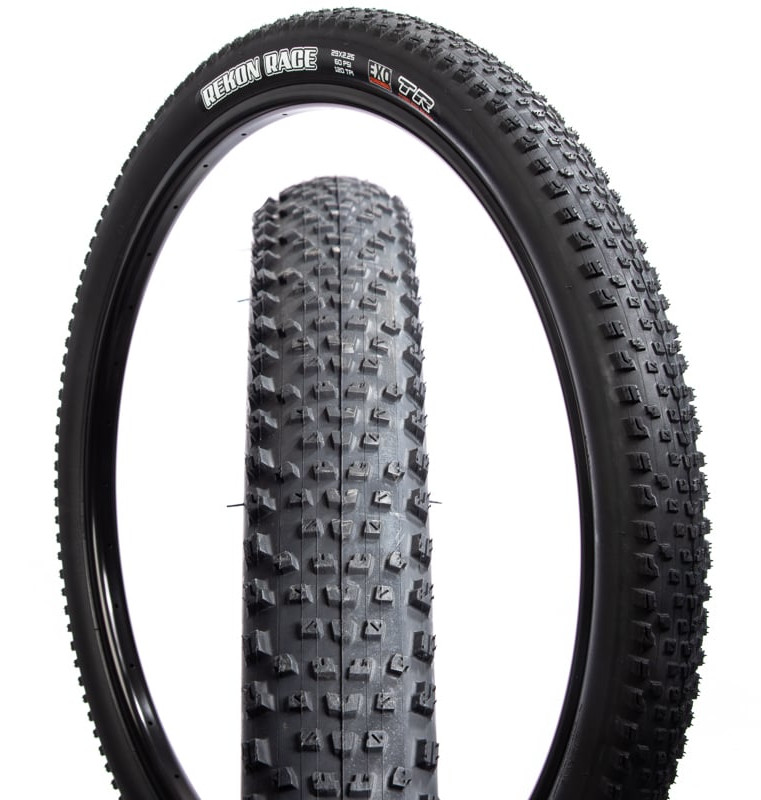
Maxxis Rekon Race 2.4 MaxxSpeed
Review – fast rolling XC tire for dry trails. The Maxxis Rekon Race is my go-to front tire for dry, rough XC courses. See how it performs and why it’s in my rotation.
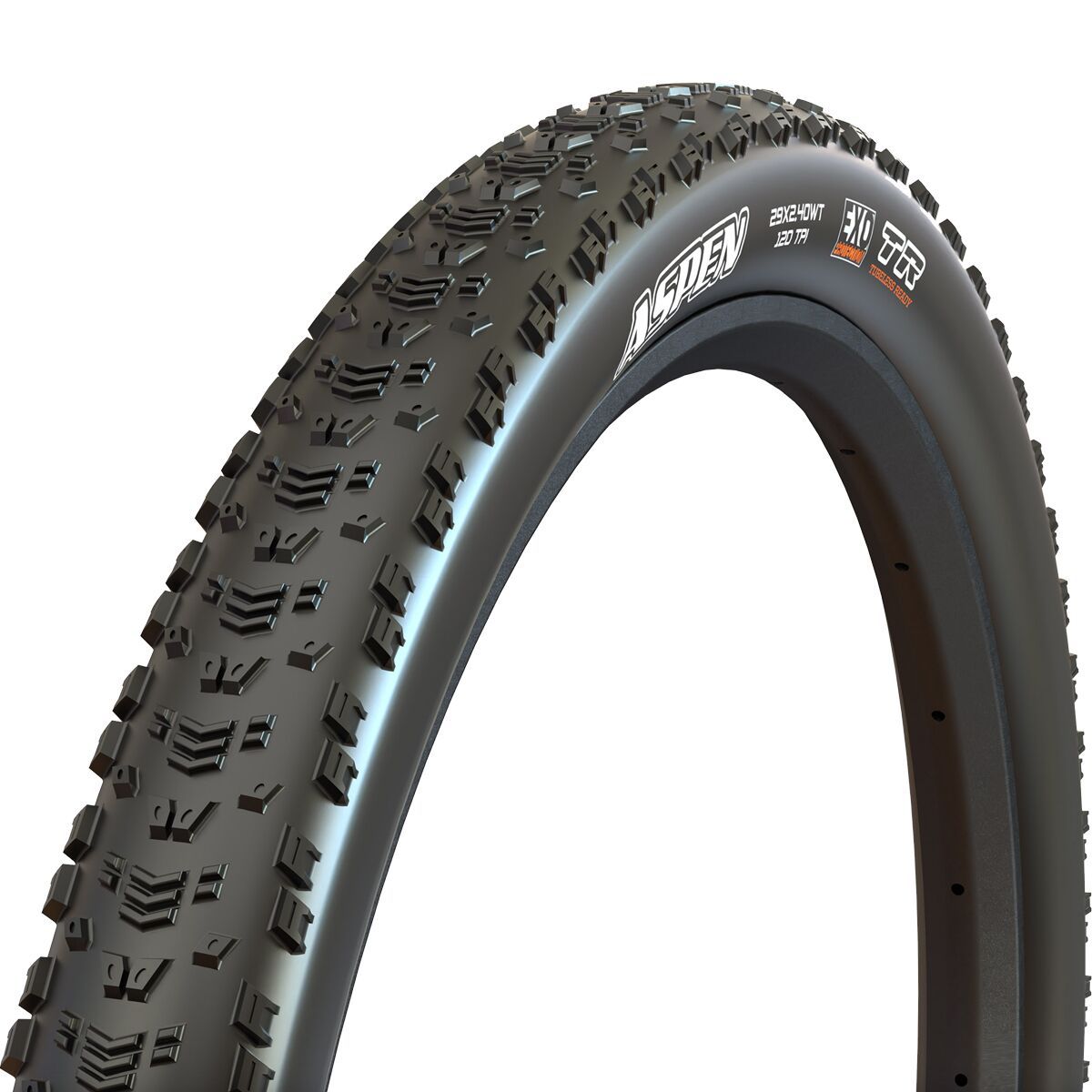
Maxxis Aspen 2.4 MaxxSpeed
Fast dry to slightly mixed course XC tire. Lightweight and race-proven.
Maxxis Rekon Race 2.4 MaxxSpeed
Review – fast rolling XC tire for dry trails. The Maxxis Rekon Race is my go-to front tire for dry, rough XC courses. See how it performs and why it’s in my rotation.
Read the review → Maxxis Aspen 2.4 MaxxSpeed
Fast dry to slightly mixed course XC tire. Lightweight and race-proven.
Read the review →This is the setup that the RDS tire selector tool keeps recommending — and it lines up well with how the Franklin Mountains tend to ride when conditions stay dry and predictable.
-
The Rekon Race front provides reliable braking and cornering traction on loose rock which will come in handy during some of the technical descending.
-
The Aspen rear rolls extremely fast and helps preserve efficiency on longer sustained efforts like the climb up Mundy’s Gap, where minimizing rolling resistance pays dividends.
-
✅ Excellent balance of speed and control
-
✅ Strong front-end predictability in loose terrain
-
✅ Fast rear tire for sustained climbing and exposed sections
-
⚠️ Rear traction can feel limited on very loose or punchy climbs - tire pressure is key with Aspens
💡 A great dry-condition choice if you want race-day speed without giving up too much front-end confidence in the Franklin Mountains.
🔹 Maxxis Ikon 2.4 Front / Rear
Maximum Confidence & Control
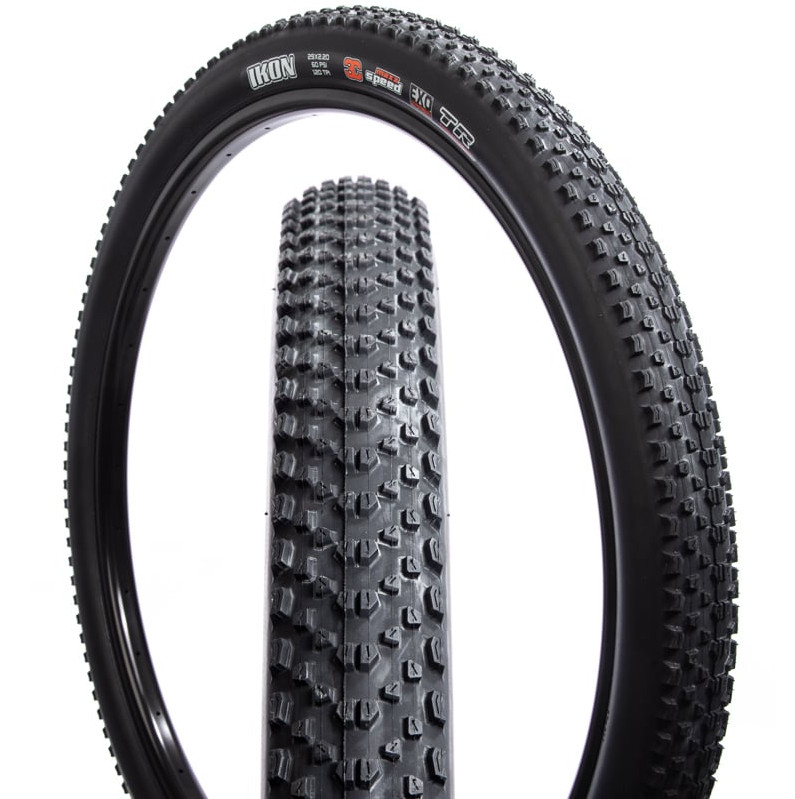
Maxxis Ikon 2.4 MaxxSpeed
Lightweight XC tire with predictable grip and low rolling resistance.
Read the review →This is the “sleep well the night before” option for me — especially if the Franklin Mountains are riding loose, windy, or colder than expected and I don’t want to be thinking about managing my tires.
Compared to a faster setup like Rekon Race / Aspen, the Ikon sacrifices some rolling efficiency in exchange for noticeably better braking traction, cornering bite, and forgiveness when line choice gets messy. On technical climbing sections like Northern Pass, that extra tread could make the difference between riding switchbacks cleanly versus dabbing and burning matches. It can also be the difference between getting a little recovery on a descent and holding on for dear life.
- ✅ Excellent braking traction on loose desert rock
- ✅ Predictable, confident cornering
- ✅ More forgiving when traction is inconsistent
- ✅ Familiar, proven option - ran it successfully last year
- ⚠️ Slower rolling than Aspen-based setups
- ⚠️ Slight weight and acceleration penalty
💡 If conditions look sketchy, windy, or especially loose — or if you simply value control over marginal speed — this is a very hard setup to regret in the Franklin Mountains.
🔹 Maxxis Aspen 2.4 Front / Rear
Pure Speed Option (What the 2025 Winners Ran)
Maxxis Aspen 2.4 MaxxSpeed
Fast dry to slightly mixed course XC tire. Lightweight and race-proven.
Read the review →Syd won on Aspens F/R here, and they absolutely fly when conditions are dry and predictable.
- ✅ Fastest rolling option
- ✅ Lightweight feel on long climbs
- ⚠️ Less braking traction on loose rock
- ⚠️ Could have a slightly higher flat risk due to having more exposed carcass between tread
- ⚠️ Getting tire pressures dialed as low as you can with this one makes a big difference
Best suited for skilled riders who prioritize speed and are comfortable managing traction carefully.
🔹 Kenda Booster Pro Front / Kenda Rush Rear
Grip + Speed Hybrid
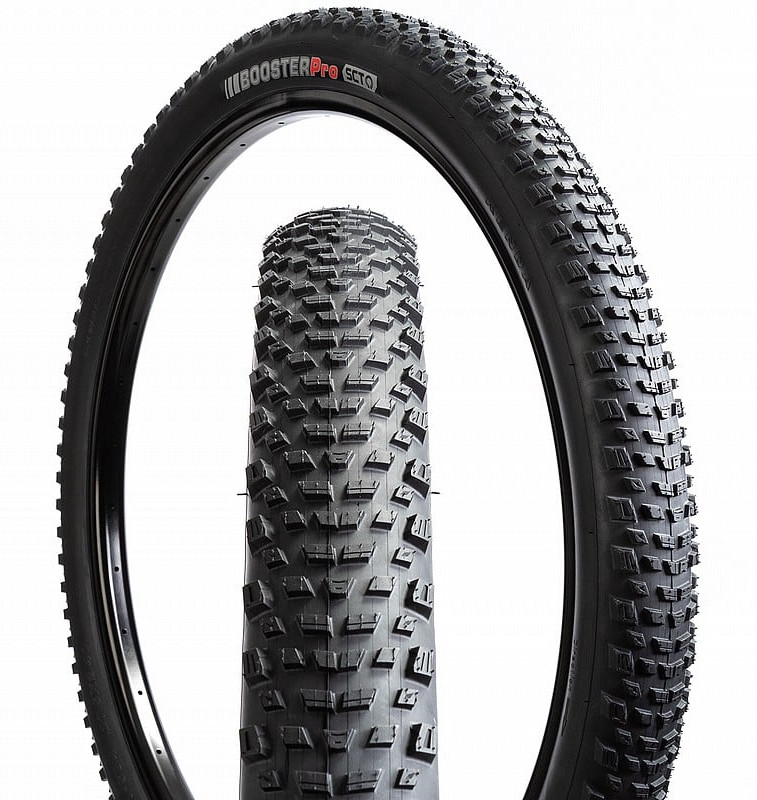
Kenda Booster Pro 2.4 SCT (120 TPI)
XC race tire with aggressive knobs and SCT protection — a lighter, confident alternative to the Maxxis Ikon.
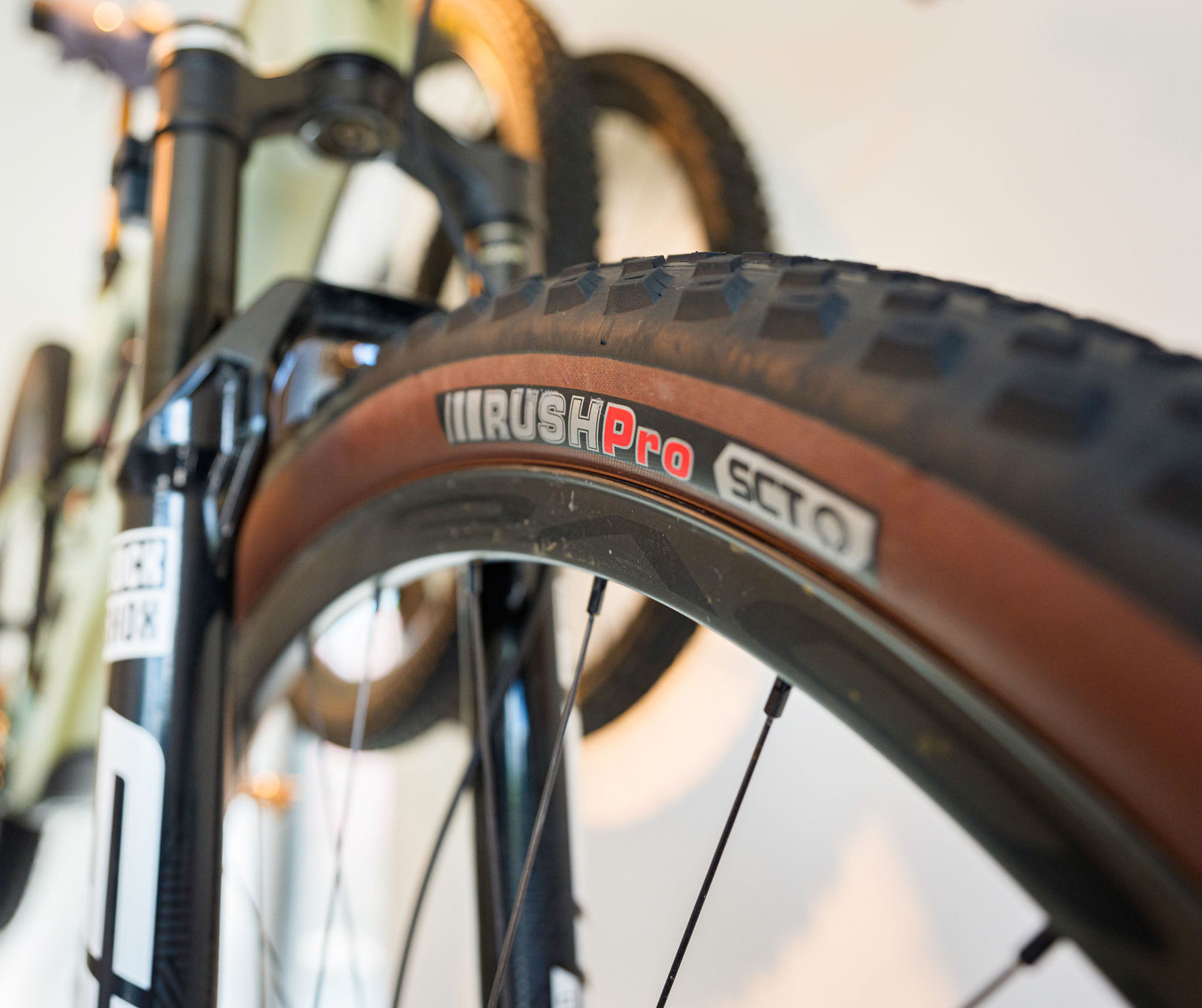
Kenda Rush Pro 2.4 SCT (120 TPI)
Fast-rolling XC tire with ample grip, superb handling, and SCT protection for rocky, technical terrain.
Kenda Booster Pro 2.4 SCT (120 TPI)
XC race tire with aggressive knobs and SCT protection — a lighter, confident alternative to the Maxxis Ikon.
Read the review → Kenda Rush Pro 2.4 SCT (120 TPI)
Fast-rolling XC tire with ample grip, superb handling, and SCT protection for rocky, technical terrain.
Read the review →A great option if you want more bite without fully committing to heavier tires. The Booster is an extremely confident (and fairly light) tire to have out front and the Rush is very fast rolling. If you’re considering the Rekon Race / Aspen setup above - this one is worth considering as well. The Booster offers more front-end confidence than a Rekon Race and is roughly 72 g lighter (though the Rekon Race still rolls faster thanks to its lower-profile tread). The Rush rear is also about 72 g lighter than an Aspen and rolls faster. This lighter, more confident setup may come at the cost of puncture resistance in comparison but I’ve been very impressed with durability of Kenda’s SCT casing (check out the Little Sugar Tire Picks ↗️).
- ✅ Better front traction than Rekon Race
- ✅ Fast rolling rear
- ✅ SCT casings for durability
- ⚠️ Slightly heavier than f/r Aspen setups
🌧️ Kenda Karma 2 Pro 2.4 SCT — Front & Rear
Wet-Condition Pick
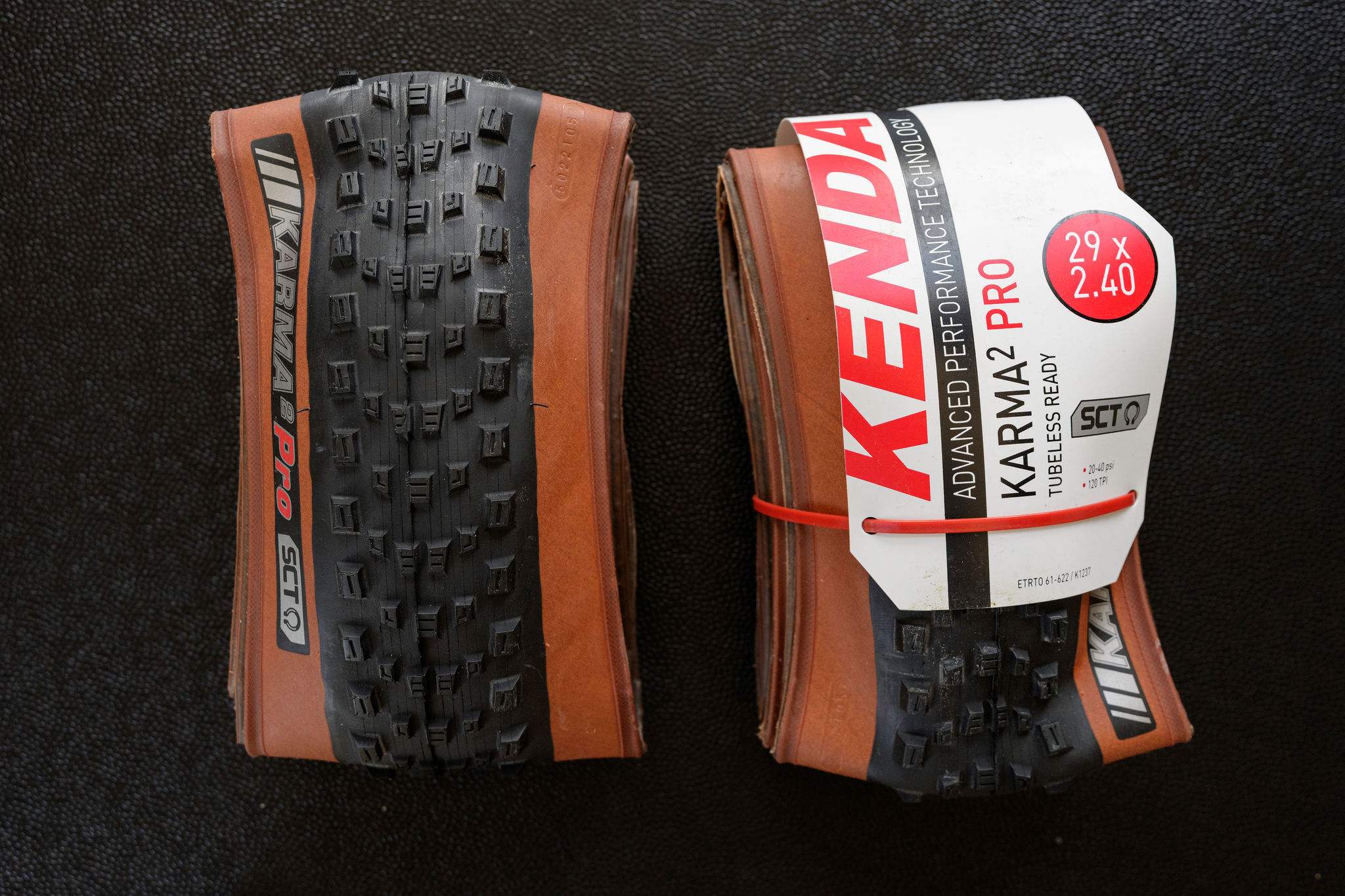
Kenda Karma 2 Pro 2.4 SCT
A high-traction wet and gnarly terrain XC tire that delivers unmatched confidence when the trail turns slick, rough, and technical.
Read the review →When the Franklin Mountains get rain, traction could become the limiting factor — especially on the tight, rocky switchbacks and the loose, punchy climbs throughout the course. Wet rock, sandy soil, and low-speed torque loads demand open tread, consistent braking edges, and a casing that can tolerate lower pressures without squirm.
That’s where the Kenda Karma 2.4 SCT really shines.
- ✅ Open, aggressive tread clears moisture and loose debris well
- ✅ Strong braking and climbing traction on wet rock and sandy soil
- ✅ Predictable cornering when grip is inconsistent
- ✅ SCT casing adds confidence against pinch flats and sharp impacts
- ⚠️ Heavier and slower rolling than most XC race tires
- ⚠️ Overkill if the course stays fully dry
It’s also worth noting that a Maxxis Ikon Front / Rear setup would still be a totally reasonable wet option — the Ikon offers solid all-around grip and predictable handling in mixed conditions. However, if the forecast calls for real moisture, slick rock, or sloppy traction, the Karma 2s are likely the ticket for staying upright and maintaining momentum through the most technical parts of the Franklin Mountains.
💡 If it’s truly wet: prioritize control and confidence over marginal rolling speed — especially when climbing Northern Pass on tired legs.
✅ TL;DR — Best El Paso Puzzler Tire Combos
| Combo | Best For | Tradeoffs | Flat Risk |
|---|---|---|---|
| Rekon Race ↗️ / Aspen rear ↗️ | Fast dry conditions, balanced speed + control | Less rear protection + traction | ⚠️ Medium |
| Ikon F/R ↗️ | Maximum traction, confidence, technical climbing | Slower rolling | ⚠️ Medium |
| Aspen F/R ↗️ | Pure speed and lightweight feel | Least grip and protection | ⚠️ Medium–High |
Booster front ↗️ /  Rush rear ↗️ Rush rear ↗️ | Extra front grip without big speed loss | Slight weight increase | ⚠️ Medium |
| Karma 2 F/R ↗️ (Wet Pick) | Best traction - especially in wet or slick conditions | Heaviest / slowest (on the wrong day) option | ⚠️ Medium |
🎯 Not sure what tires to go with?
Use the RaceDaySetup Tire Selector to get personalized recommendations based on terrain, riding style, and your goals.
Try the Tire Selector →💨 Pressure & Insert Notes
Last year: 13 / 14 PSI resulted in a couple of hard rim strikes.
This year’s plan: ~16 PSI front / ~18 PSI rear at ~86 kg system weight.
Strong recommendation: consider running Air-Liner inserts ↗️
The Franklin Mountains’ sharp rock and square edges make pinch-flat protection extremely valuable — especially when climbing Northern Pass at low speeds and high torque.
Fresh
Fine-tune pressures using the RaceDaySetup Tire Selector →.
Cold-start pressure behavior matters a lot at the Puzzler — especially with a freezing start followed by plenty of riding as temperatures rise. If you want a deeper breakdown of why cold tires can feel over-inflated even at low PSI (and how casing stiffness and pressure interact over the course of a long race), check out the guide on Cold Starts, Warm Finishes: Tire Pressure for Endurance MTB Racing ↗.
🧰 Gear for the Franklin Mountains
Maxxis Ikon 2.4 MaxxSpeed
Lightweight XC tire with predictable grip and low rolling resistance.
Maxxis Rekon Race 2.4 MaxxSpeed
Review – fast rolling XC tire for dry trails. The Maxxis Rekon Race is my go-to front tire for dry, rough XC courses. See how it performs and why it’s in my rotation.
Maxxis Aspen 2.4 MaxxSpeed
Fast dry to slightly mixed course XC tire. Lightweight and race-proven.
Kenda Rush Pro 2.4 SCT (120 TPI)
Fast-rolling XC tire with ample grip, superb handling, and SCT protection for rocky, technical terrain.
Kenda Karma 2 Pro 2.4 SCT
A high-traction wet and gnarly terrain XC tire that delivers unmatched confidence when the trail turns slick, rough, and technical.
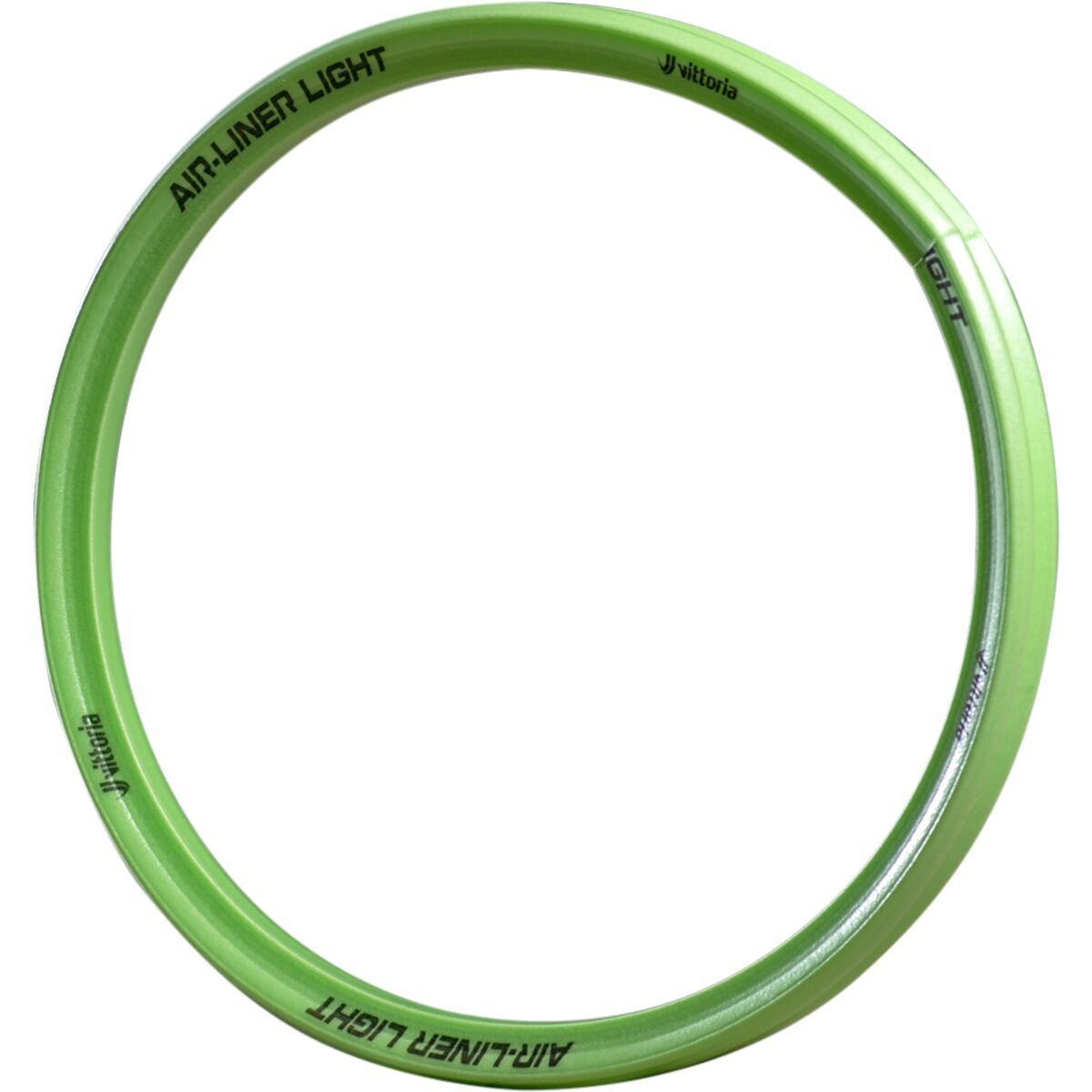
Air-Liner Light XC Tire Insert
Insert system for rim protection and lower pressure confidence.
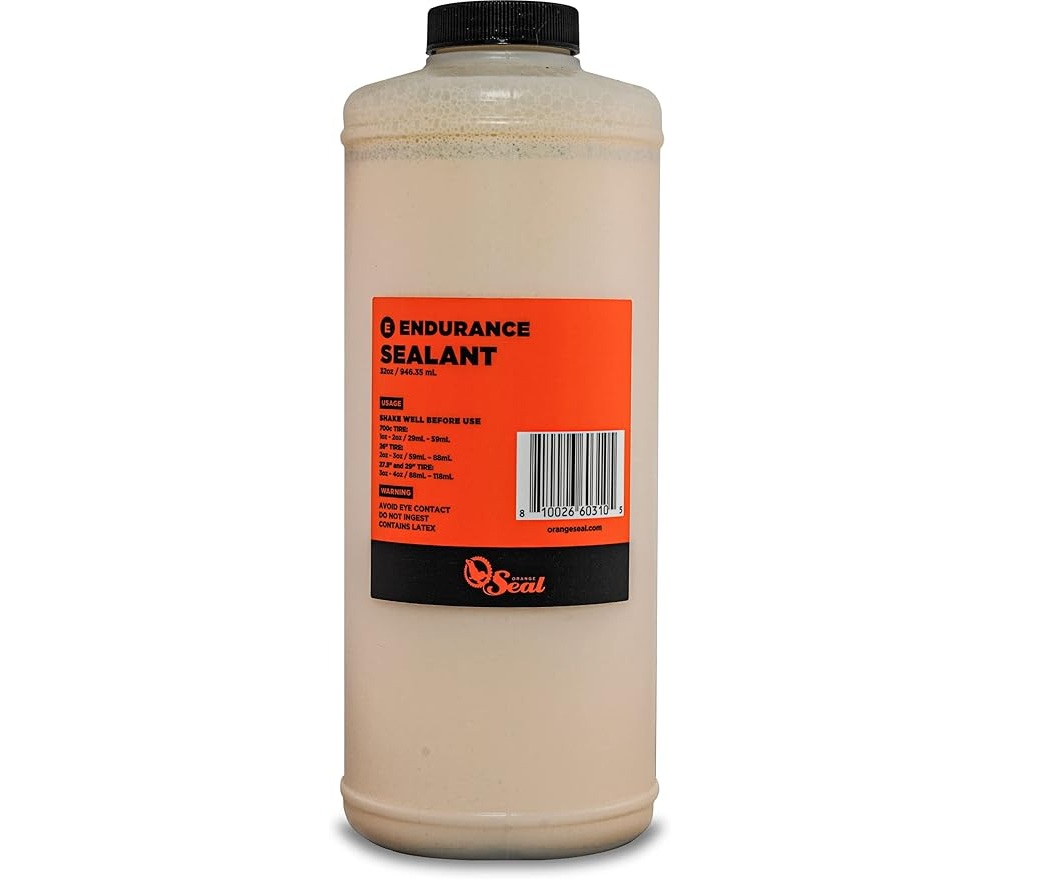
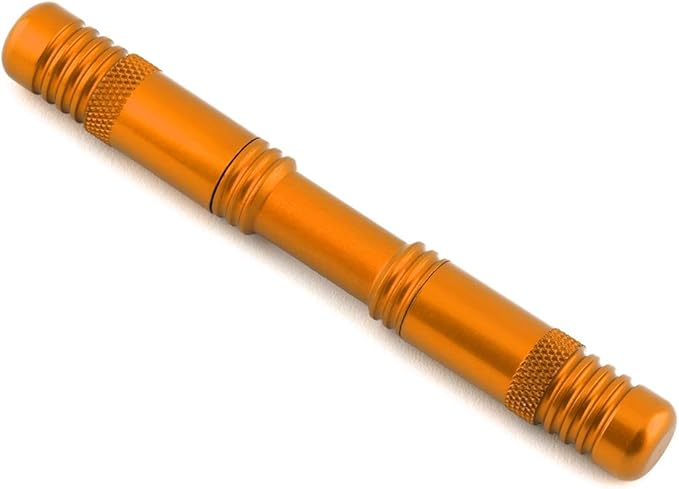
Dynaplug Racer Pro Review – Fast, Lightweight Tubeless Tire Plug Kit
Why I trust the Dynaplug Racer Pro to save races: lightweight, fast to deploy, and incredibly reliable. Full review + real race experience.
🔄 What I’d Run If I Had to Decide Today
If it’s dry: Aspen Rear ↗️ @ ~16 / 18 PSI with inserts.
If I go with the old tried and true:
In the Franklin Mountains, keeping it smooth and confident often beats saving a few watts.
2026 Post-Race Update
I raced the Puzzler on Aspen Rear ↗️ with Air-Liner inserts ↗️ , starting at 15 PSI front / 17 PSI rear in 31°F temps. The goal was ~16 / 18 PSI average as the race warmed into the upper 50s.
Conditions were completely dry with a cold start and very little wind.
What worked
- Zero rim strikes
- Rear tire sprayed sealant but never lost noticeable pressure
- No flats, plugs, or handling issues
- Tires disappeared under the bike late in the race
What I’d tweak
- I’d run ~1 PSI lower front and rear next time for a total of 2 psi lower than my target given the cold start
- Traction on loose shale climbs (especially Mundy’s Gap) was more to manage than last year’s Ikon F/R at lower pressure
- Consider accepting a little more pinch flat risk in the name of traction
Bottom line: Rekon Race / Aspen with inserts is a strong dry-condition setup for the Franklin Mountains. The biggest gains here come from dialing pressure — toeing the line between traction and rim protection can matter more than tire selection.
Related Gear
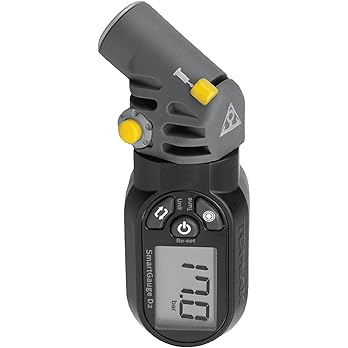
Topeak SmartGauge D2 Tire Pressure Gauge
A pocket-sized digital gauge that nails MTB pressures with 1psi precision.
Read the review → Maxxis Ikon 2.4 MaxxSpeed
Lightweight XC tire with predictable grip and low rolling resistance.
Read the review →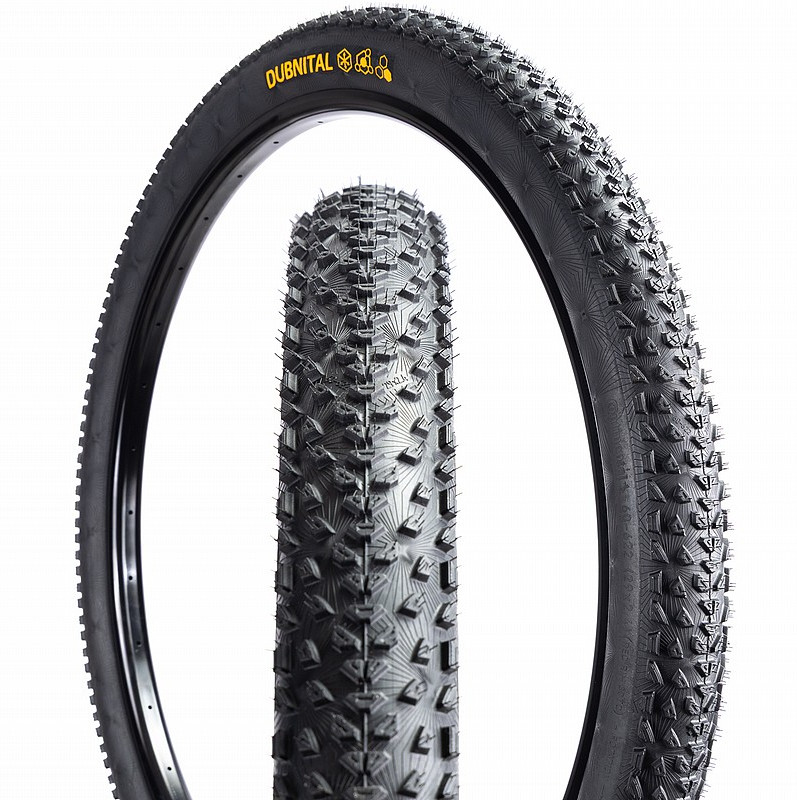
Continental Dubnital 2.4 Race Rapid
An extremely light and fast-rolling XC tire with outstanding grip for its category, but a very narrow use case in the ultra-light Race Rapid casing.
Read the review →