Cold Starts, Warm Finishes: Tire Pressure for Endurance MTB Racing
Published: 1/28/2026
Tags: endurance racing, tire pressure, cold weather, desert racing, setup, tire
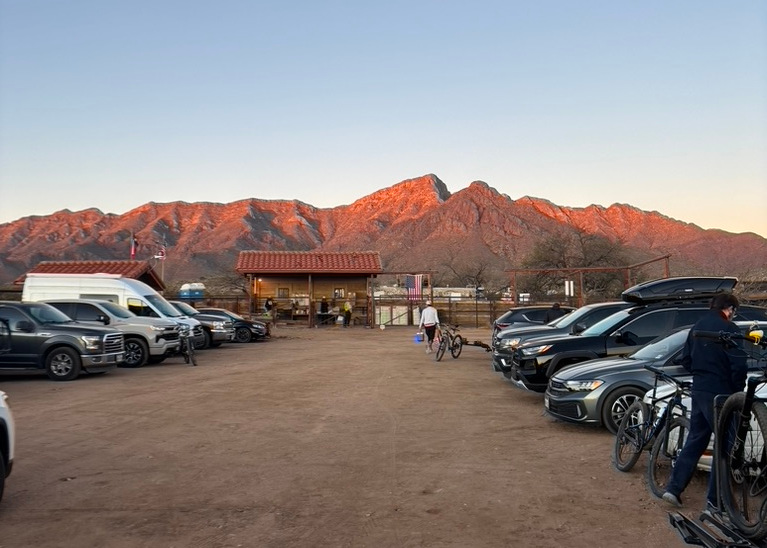
Desert marathons, shoulder-season events, and early alpine starts often begin near freezing and finish hours later in comfortable or even warm conditions. You don’t just start cold — you ride through a full temperature transition while fatigue accumulates and traction demands stay high.
I thought cold temperatures had a pretty minor impact on pressures and traction, and then the El Paso Puzzler this January proved me wrong.
The start was right around or below freezing. Four to five hours later it was pushing into the high 50s. I did what I normally do: hauled ass down the highway in the dark to the race venue with the bike on the back, checked pressure in the parking lot, and inflated my tires about 1 PSI lower than my target to account for the cold.
And yet — on the first long, loose, steep climb — the roughly 1,400’ grind up to Mundy’s Gap — I felt like I was burning too many watts hunting for rear traction. That experience forced me to rethink how I approach tire pressure in cold-start, warm-finish endurance races.
The Setup (El Paso Puzzler)
- Race: El Paso Puzzler (cold desert endurance race)
- Temperature: ~32°F start → ~58°F finish
- Duration: ~4–6 hours
- Tires:
Rekon Race 2.4 front ↗️ /
 Aspen 2.4 rear ↗️ (MaxxSpeed)
 - Inserts ↗️ : Front + rear
- Race-morning pressure: 15 PSI front / 17 PSI rear (attempting to target an average 16 / 18 with temperature increase during the race)
I didn’t notice any issues on descents. The bike felt predictable at speed. But early on — especially on that first sustained, loose, steep climb — rear traction just wasn’t there.
Pressure Says One Thing — Feel Says Another
A common rule of thumb for MTB tires is roughly a 1–2 PSI change per 10°F of temperature change. Over a ~25–30°F swing, that suggests a 3–5 PSI increase during a long endurance race. On paper, starting slightly low should have been ideal.
But what I felt on the trail didn’t line up with the number on my 
Temperature vs Tire Pressure and Casing Stiffness
Illustrative trends: pressure rises as temps increase, while casing stiffness drops as rubber warms.
Conceptual curves, not measured data. This visualizes why cold tires can feel overinflated early and more compliant later in long endurance races even though pressures rise.
I was running lightweight, high-TPI race tires in MaxxSpeed compound with inserts front and rear. Inserts are great for rim protection and stability, but they do limit how much the tire can deform when the casing is already cold and stiff.
So even at objectively low PSI, the rear tire behaved like it was firmer than I wanted — especially when asking it to claw uphill at low speed early in a cold race. The flip side is that those same cold, stiff casings also reduce rim-strike risk early. At freezing temperatures, the tire is naturally more supportive, which provides protection even when running lower pressure. I finished the race wishing I’d started another 1–2 PSI lower than I did, given the inserts and the early climb profile.
Why the Rear Tire Was the First to Complain
On steep, loose climbs early in an endurance race, the rear tire isn’t limited by PSI — it’s limited by how easily the casing can deform under torque. On descents, the tire felt fine. Speed, dynamic loading, and slightly warmer rubber masked the issue. But grinding uphill early, the lack of compliance showed up immediately.
What Changed as the Race Went On
As the day warmed up, two things happened in parallel. Ambient temperature rose by roughly 25°F, and tire rubber softened, improving casing compliance. At the same time, internal pressure increased, shifting the risk profile from casing support to pressure support.
Early in the race, I was protected by stiff casings even at lower pressure. Later in the race, I was protected by higher pressure once the casings became more compliant. If I understood the role of casing compliance early I would’ve been much more comfortable targeting lower pressures than what I rolled up to the line with.
Whether traction objectively improved or I simply adapted, the bike felt more predictable later than it did in the opening hour. A couple days later, when I checked pressure indoors, the tires were sitting right at 16 / 18 — exactly where I wished they’d been the whole race. That lined up with a warm finish, natural pressure increase during the race, and a bit of sealant loss without a big PSI drop.
How I Plan to Approach Cold Start / Warm Finish Endurance Races Now
For endurance races that start near freezing and warm up significantly, I won’t set pressure purely for the start or the finish. I’ll bias toward the average race temperature, and in extreme cold I’m willing to go 2 PSI lower than normal. Inserts make this safer, and I’ll trust the early traction feel more than the
If the bike feels a little soft early and a little firm late, that’s the right compromise.
This is exactly the kind of nuance that’s hard to capture in a single PSI number — and something I want the Tire Selector to account for over time by incorporating weather data alongside the course itself.
Dropper Posts in the Cold (Quick Note)
Cold starts slow droppers down. Seals stiffen, lubricants thicken, and return speed drops — especially early in long races.
At El Paso, my dropper came up slower than normal and didn’t hit the familiar top-out “thunk” early on. It worked, but it didn’t feel crisp until later in the race.
If your dropper has a Schrader valve, cold starts are one of the few times it can make sense to add a little pressure to restore normal return speed. Set it in the cold, not indoors, and make small adjustments.
My Fox Transfer SL (2024) uses a sealed nitrogen system with no external pressure adjustment (Fox has since added Schrader valves under the seat clamp), so a slow return in the cold is expected. If it feels normal once things warm up, it’s almost never a failure — just temperature.
Just like tires, the dropper you start the race on isn’t the one you finish with.
Tips for Pressures in Cold Starts
- Cold tires can feel over-inflated even when PSI is low
- Cold casing stiffness early and pressure increase later provide protection at different points in long races
- Dial pressures for the predicted average race temperature
- 1–2 PSI change per 10°F of temperature change
- Does the race begin with a long climb? - You can afford to err on the lower side for more rear traction if you won’t see big hits until temps rise
- Grab yourself a solid
🎯 Not sure what tires to go with?
Use the RaceDaySetup Tire Selector to get personalized recommendations based on terrain, riding style, and your goals.
Try the Tire Selector →Keep Reading
Epic 8 vs Epic 8 EVO: Which setup is right for you?
El Paso Puzzler Tire Picks
Downtube (SWAT) Storage Guide
Related Gear
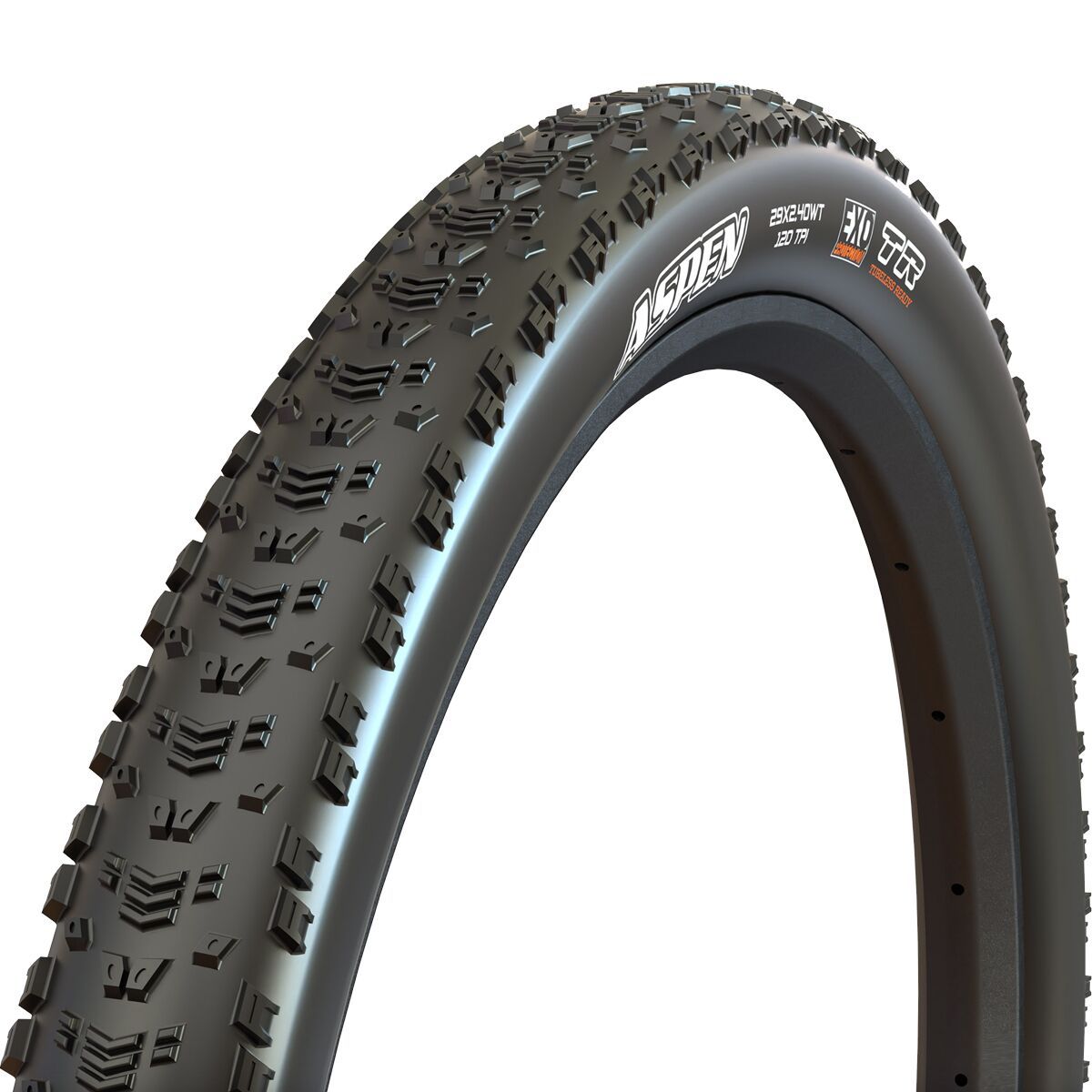
Maxxis Aspen 2.4 MaxxSpeed
Fast dry to slightly mixed course XC tire. Lightweight and race-proven.
Read the review →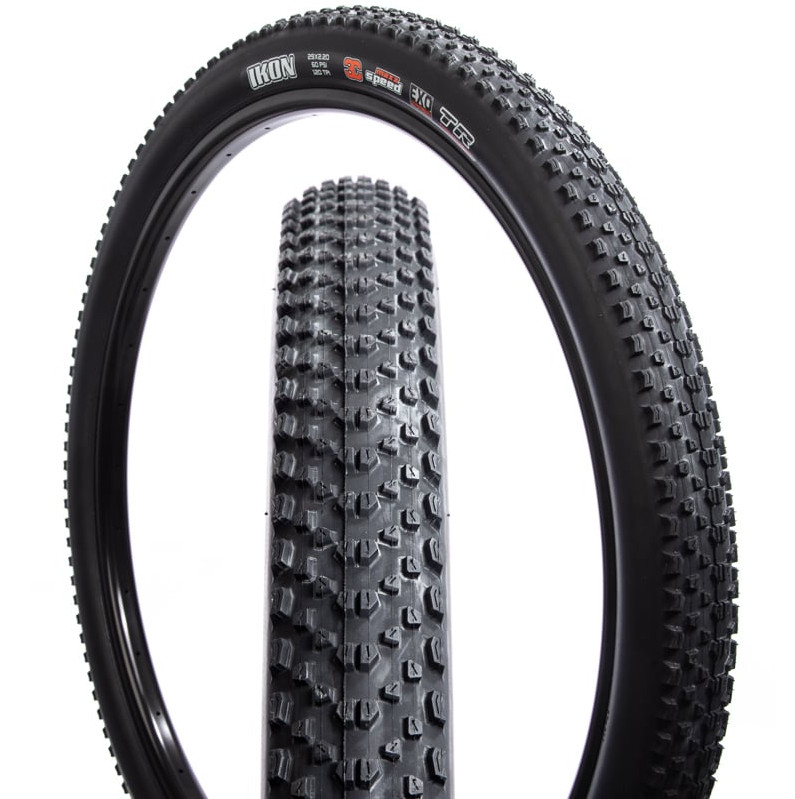
Maxxis Ikon 2.4 MaxxSpeed
Lightweight XC tire with predictable grip and low rolling resistance.
Read the review →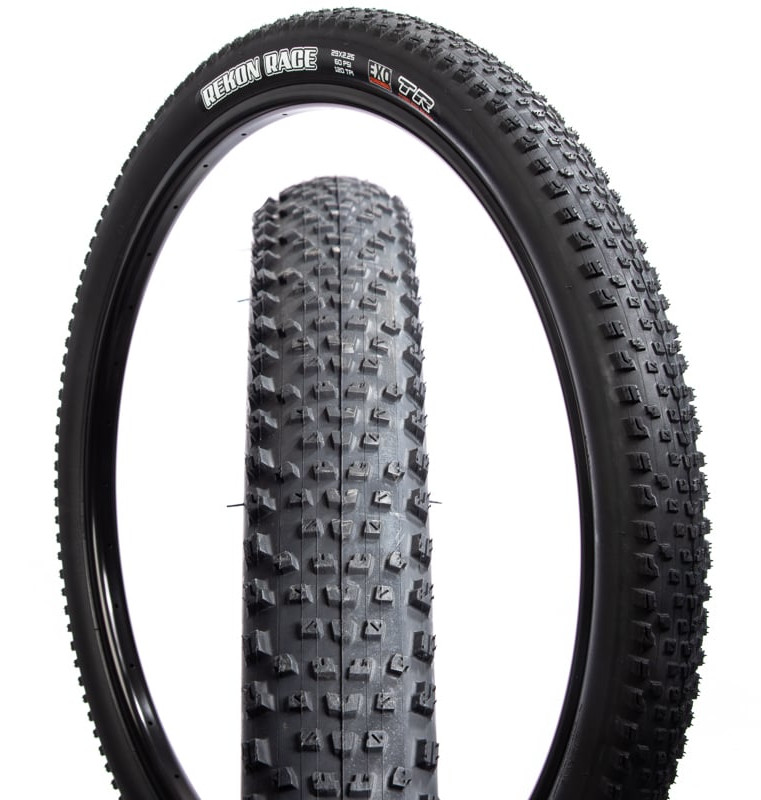
Maxxis Rekon Race 2.4 MaxxSpeed
Review – fast rolling XC tire for dry trails. The Maxxis Rekon Race is my go-to front tire for dry, rough XC courses. See how it performs and why it’s in my rotation.
Read the review →