Moab Rocks Tire Picks
Published: 3/28/2026
Tags: tire, moab rocks, moab, stage race, xc, desert, tire picks
Updated March 2026
I raced Moab Rocks in 2025 on my Specialized Epic 8 ↗️, and this is one of the clearest examples I’ve found of an environment where volume and casing durability reign supreme over tread depth.
On Moab sandstone, grip is so good that you can run tires that would feel under-gunned elsewhere and still feel completely locked in. The bigger question is whether your setup can survive the impacts, sharp edges, and awkward rock formations without flatting or damaging a wheel.
Best Tires for Moab Rocks
- Best one-combo pick:
Rekon Race 2.4 EXO MaxxSpeed front and rear ↗️
- Balanced speed-focused combo:
- Fastest combo:
- Setup notes: run minimum 2.4” tires, inserts, protective casings, and error on the higher end of your typical pressure range
My recommendation:
If you want one setup for the whole weekend, I’d lean toward  Vittoria Air-Liner Light inserts ↗️ . If you’re comfortable with it, a
2025 Race Summary
| Category | Notes |
|---|---|
| Race | 3-day XC stage race in Moab, Utah |
| Weather | Cold starts, warm finishes, roughly 60s-70s by afternoon |
| Terrain | Slickrock, sandstone ledges, uneven rock shelves, sand traps, a touch of dirt |
| Grip | Extremely high on dry rock, slightly greasy only in wet snowmelt sections that had some dirt mixed in |
| Main Risk | Pinch flats, sidewall damage, and wheel damage from impacts |
| Big Takeaway | Moab rewards high volume + supportive casing more than aggressive tread |
Day 1 felt like an outlier with the classic Porcupine Rim descent. The top of the Porcupine Rim was wet from snowmelt and a little slippery, but once you dropped out of that section and got into the classic ledgy sandstone descent: grip was through the roof and there were an overwhelming number of line choices.
What I Ran
- Inserts: Vittoria Air-Liner Light ↗️ front and rear
- Sealant:
Orange Seal Endurance ↗️ , about 6-8 oz per tire
- System weight: about 86 kg rider + bike + gear
Stage 1 - Porcupine Rim
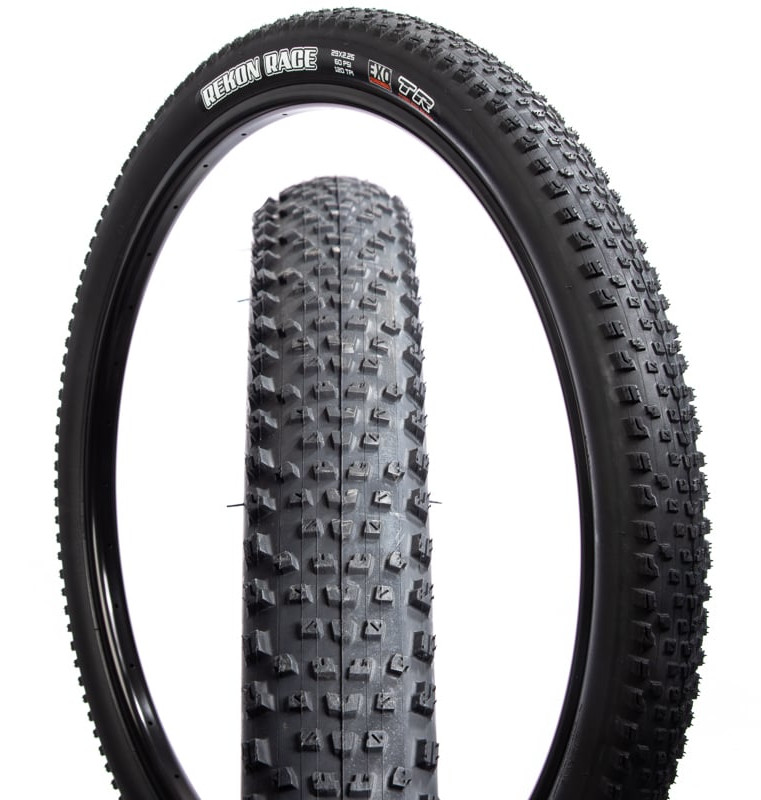
Maxxis Rekon Race 2.4 MaxxSpeed
Review – fast rolling XC tire for dry trails. The Maxxis Rekon Race is my go-to front tire for dry, rough XC courses. See how it performs and why it’s in my rotation.
Read the review →- Front & Rear:
- Pressure: 14 PSI front / 16 PSI rear (this proved to be too low for me)
Stages 2 and 3 - Bar M / Klonzo and Mag 7
Maxxis Rekon Race 2.4 MaxxSpeed
Review – fast rolling XC tire for dry trails. The Maxxis Rekon Race is my go-to front tire for dry, rough XC courses. See how it performs and why it’s in my rotation.
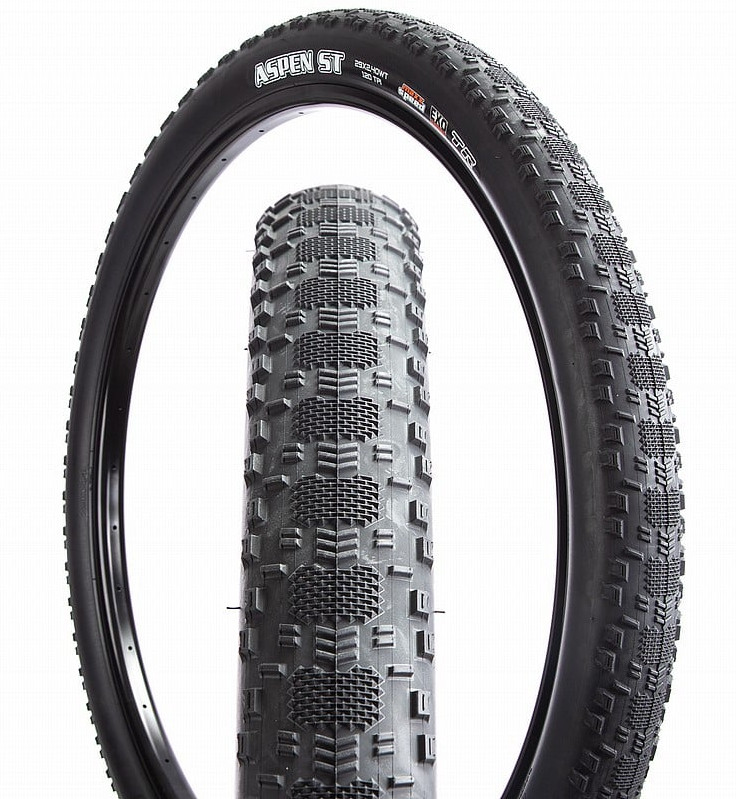
Maxxis Aspen ST 2.4 MaxxSpeed
Semi-slick version of the Aspen. Ideal for hardpack and short track.
Maxxis Rekon Race 2.4 MaxxSpeed
Review – fast rolling XC tire for dry trails. The Maxxis Rekon Race is my go-to front tire for dry, rough XC courses. See how it performs and why it’s in my rotation.
Read the review → Maxxis Aspen ST 2.4 MaxxSpeed
Semi-slick version of the Aspen. Ideal for hardpack and short track.
Read the review →- Front:
- Rear:
- Pressure: 16 PSI front / 18 PSI rear
Going into the weekend, I was actually planning to run
So I kind of stumbled into one of the more interesting takeaways from Moab: you really can run a pretty damn slick tire out there and still have all the grip you need. After stumbling into this combo, I’ll likely run it again this year.
The Day 1 Lesson: Bring More Margin Than You Think
The biggest tire lesson of the weekend came after the Stage 1 finish line.
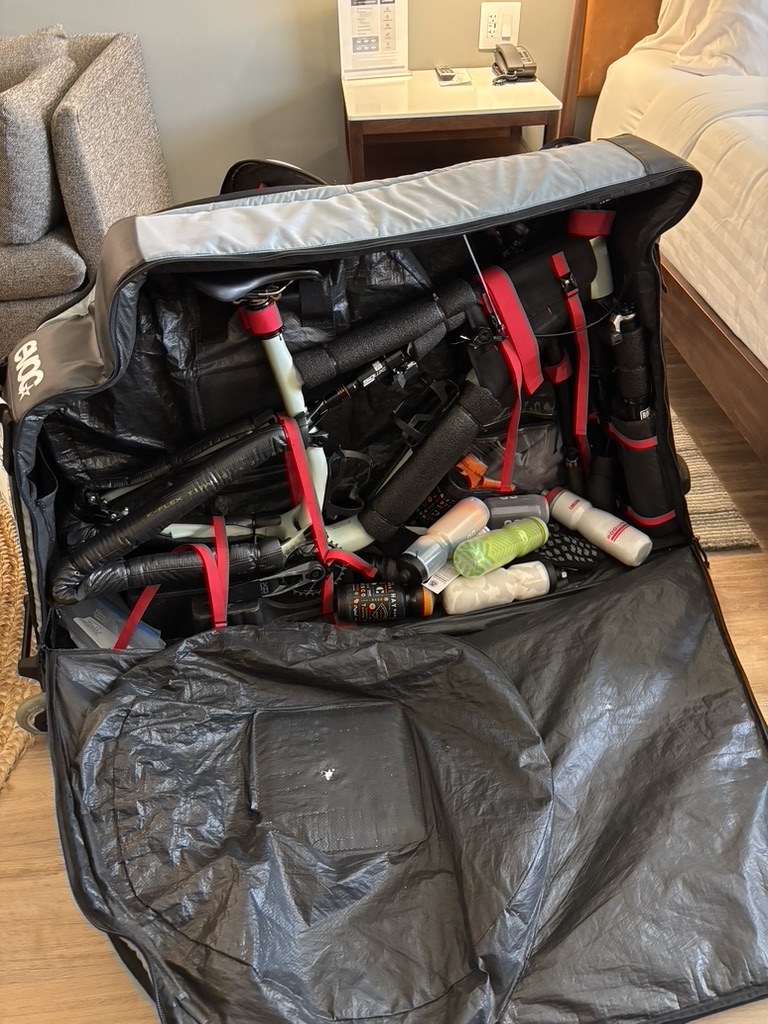
Even riding super chill on the lower, non-raced section of Porcupine Rim, I had a big rear pinch flat that cut the tire at the bead and in the tread. It took all four plugs from my
That experience alone is enough reason for me to recommend the following for Moab:
- Bring extra tires
- Bring extra plugs and carry 6-8 plugs of varying sizes while racing
- Bring a spare wheelset if you own one
- Run inserts
- Err toward a little more pressure
There are plenty of good bike shops in Moab, but this is still a race where it pays to show up over-prepared. It’s nice to have backups of the specific tire you prefer.
Stage-by-Stage Terrain Notes
Stage 1 - Porcupine Rim
This is the gnarliest day of the race. There are so many blind ledges and so many lines to choose from, and a lot of those lines take you to some bad places.
It also has a very simple race shape: a long climb out of town up Sand Flats Road, then a big descent on Porcupine. That matters because you want a setup that still climbs efficiently, but can take repeated square-edged hits once the real descending starts.
What stood out to me:
- The top section was cold, wet from snowmelt, and a bit greasy in 2025
- Once we got out of the bit of dirt up top, grip was excellent
- The descent is not especially corner-heavy after the top section
- The real challenge is line choice, impact management, and letting your legs act as suspension
- On a 120 mm XC bike, I was feeling a little ragged at the finish line (worth it for the climb though)
If this year’s race should be drier and later-season snowmelt shouldn’t be a factor with the race moving to early May. I think XC tires will feel even more at home up top than they did for me in 2025.
Quick Porcupine Rim clip after the Stage 1 finish.
Stage 2 - Bar M / Klonzo
Stage 2 feels more like a proper trail-network day than Stage 1. Instead of one defining climb and one defining descent, you’re moving through a longer mix of terrain with a lot more rhythm changes, scenic sections, and repeated technical moments.
Still technical, still Moab, but not quite the same level gnarliness as Porcupine. Killer B stood out as a place where awkwardly placed rocks could absolutely go after a sidewall if you got lazy with line choice.
For me, the pressure bump to 16/18 PSI made sense after my expereince on Day 1. I still had plenty of grip, but with a little more support and less anxiety about another rim-cracking hit.
Stage 3 - Mag 7
Stage 3 was the most consistently fast day for me, and also the stage that best highlighted how locked in Moab rock grip can be.
The bike just felt completely planted on the slickrock, even with an
That’s really the name of the game at Moab: low tread, high volume, protective casing
Tire Combos I’d Recommend
| Option | Best For | Front Tire | Rear Tire |
|---|---|---|---|
| 1 | No-brainer answer | Rekon Race 2.4 ↗️ | Rekon Race 2.4 ↗️ |
| 2 | Fast with confidence up front | Rekon Race 2.4 ↗️ | Aspen ST 2.4 ↗️ |
| 3 | Speed with a more balanced tread | Aspen 2.4 ↗️ | Aspen 2.4 ↗️ |
| 4 | Confidence for Day 1 | Ikon 2.4 ↗️ | Aspen 2.4 ↗️ |
| 5 | Max confidence on XC tires | Ikon 2.4 ↗️ | Ikon 2.4 ↗️ |
Notes
- 1.
- 2.
- 3. Aspen 2.4 ↗️ front / rear: A very realistic Moab speed setup if you want a little more tread than an ST and carry a little less weight than a Rekon Race.
- 4. Aspen 2.4 ↗️ rear: Probably my favorite confidence-oriented Day 1 setup. More support and braking up front, plenty quick climbing up Sand Flats Road.
- 5.
- Other viable fits:
If you want to see another Moab-specific setup, Cole Paton’s bike check is worth watching. He ran a Booster front / Rush rear on Stage 1, then Rushes front and rear for the later stages.
Pressures, Inserts, and Sealant
- Stage 1: 14 PSI front / 16 PSI rear — too low for me in retrospect
- Stages 2 and 3: 16 PSI front / 18 PSI rear
- Inserts: Vittoria Air-Liner Light inserts front and rear ↗️
- Sealant:
- Repair kit:
After the Day 1 flat, I bumped pressure and never looked back. Moab still had more than enough grip at 16/18 PSI for me.
Summary
- One-combo answer:
- Faster Moab-specific option:
🎯 Not sure what tires to go with?
Use the RaceDaySetup Tire Selector to get personalized recommendations based on terrain, riding style, and your goals.
Try the Tire Selector →Moab Rocks is one of the rare races where you can be very aggressive with tread choice and still have all the grip you need. Just don’t get seduced into going too light on casing support, inserts, pressure, or spares. In Moab, durability margin matters more than knobs.
Related Gear
Maxxis Aspen ST 2.4 MaxxSpeed
Semi-slick version of the Aspen. Ideal for hardpack and short track.
Read the review →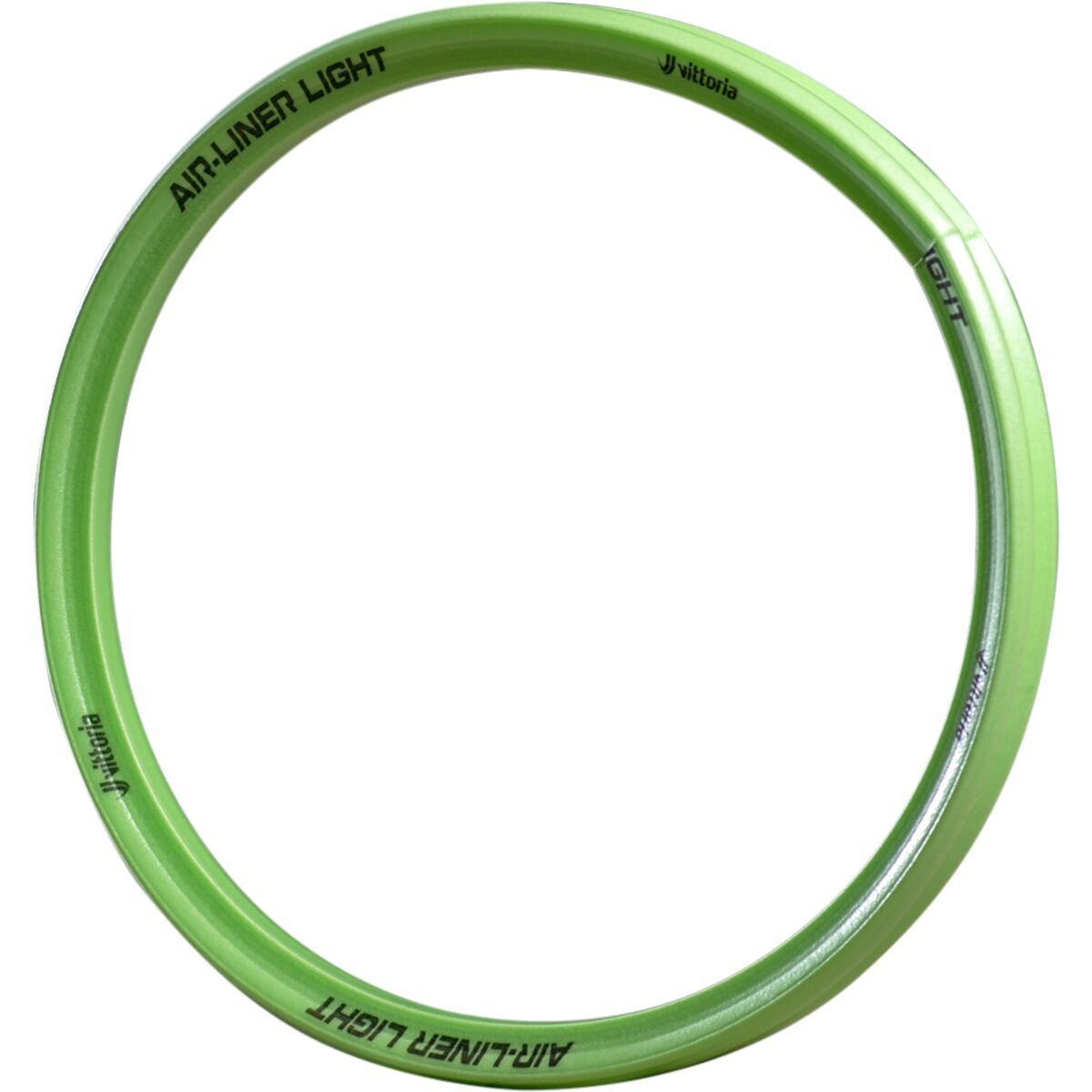
Air-Liner Light XC Tire Insert
Insert system for rim protection and lower pressure confidence.
Read the review →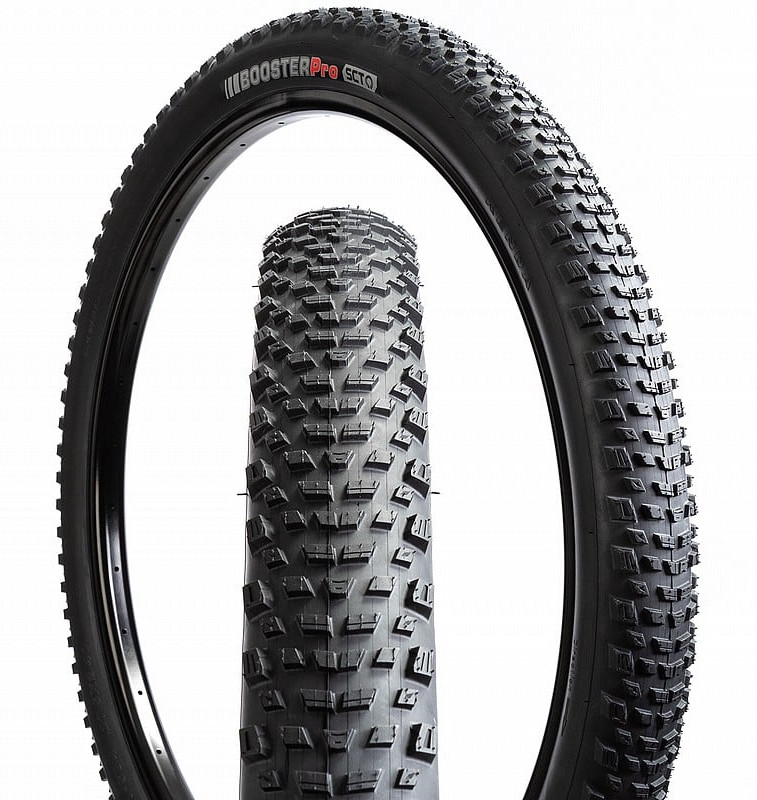
Kenda Booster Pro 2.4 SCT (120 TPI)
XC race tire with aggressive knobs and SCT protection — a lighter, confident alternative to the Maxxis Ikon.
Read the review →